The Rock Star Overdose Epidemic

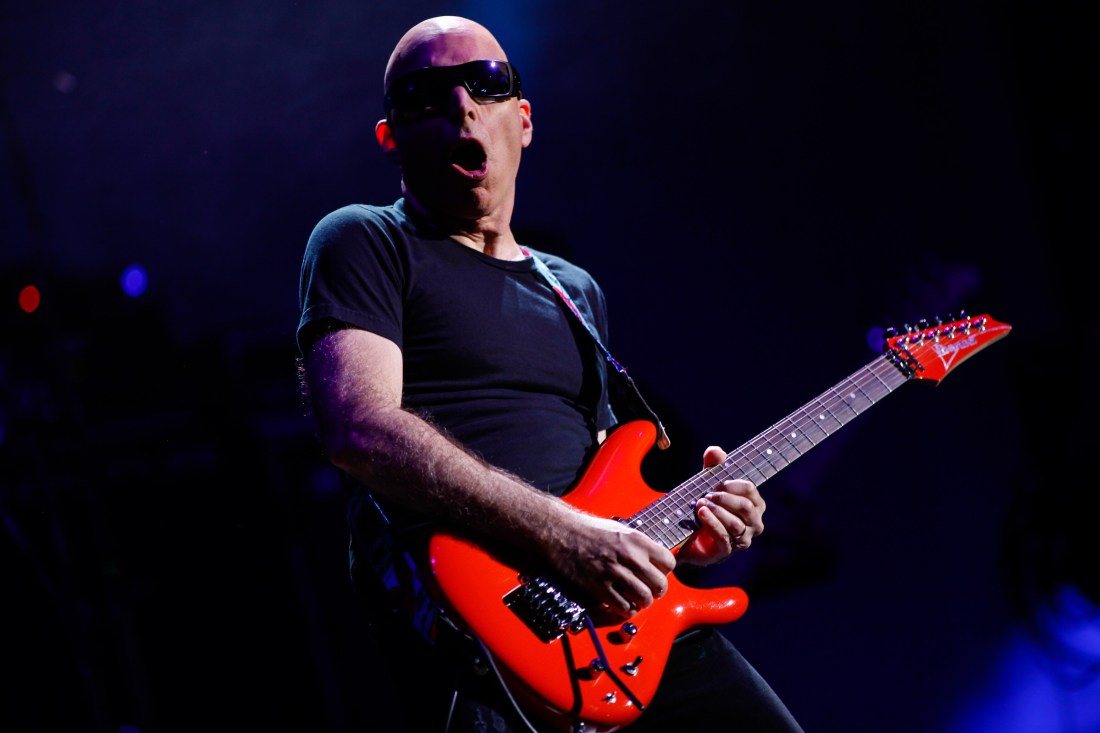
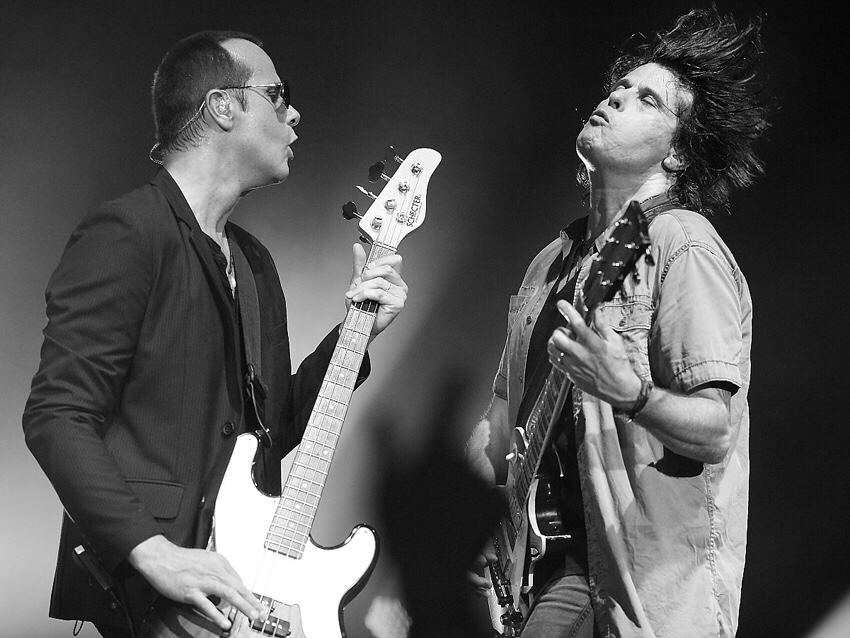
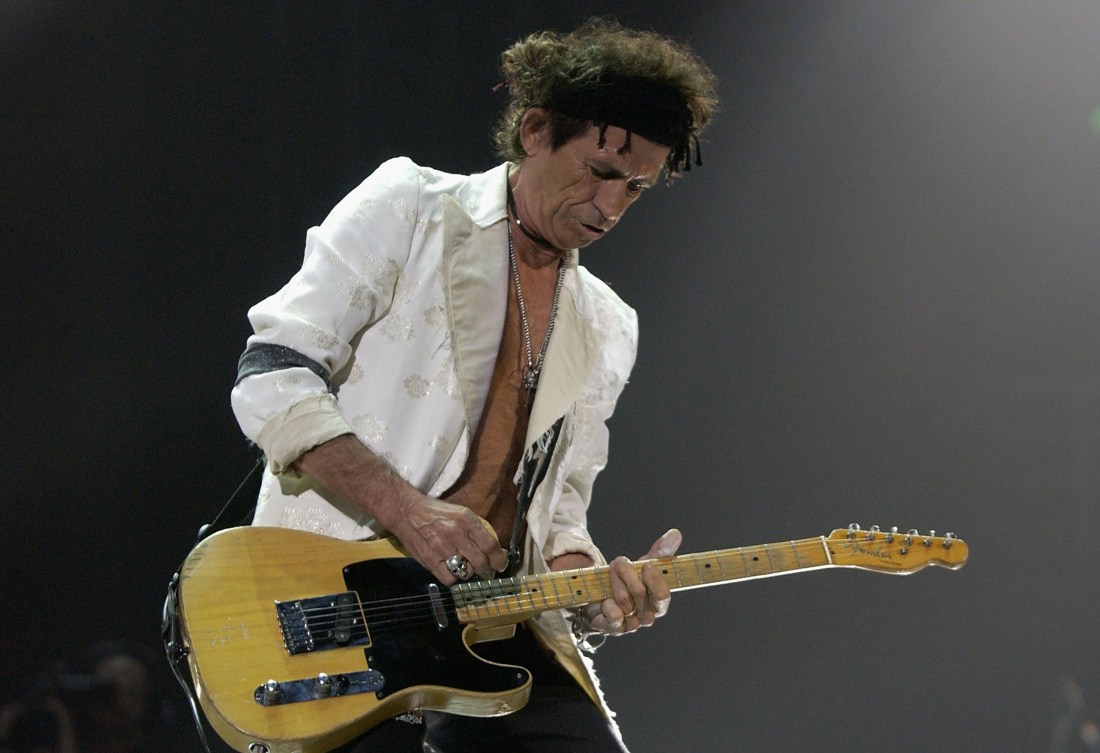
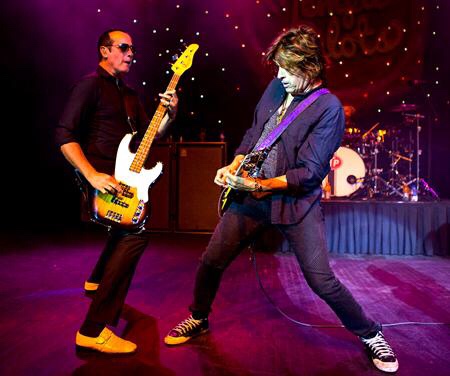
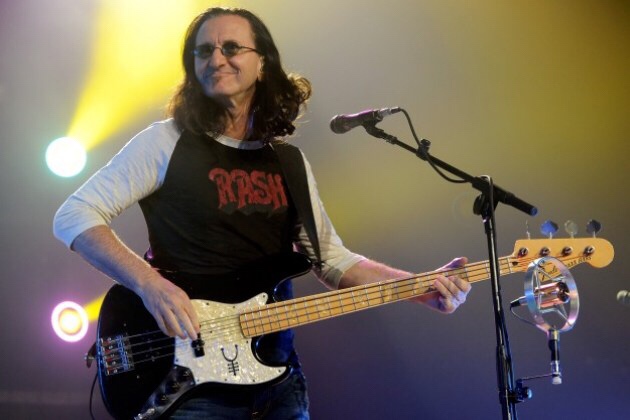
It’s no secret the music industry has been plagued with celebrity overdoses, from the infamous 27 club to the more recent overdoses of Scott Weiland, Prince, Tom Petty, and Mac Miller. The argument is made that society is still largely failing a growing overdose crisis. There are many causes that have been presented as almost inevitable opportunities for one to fall into the chasm of addiction in the music scene.

Most drugs addictions are simply a result of their environment, this is especially true in the case of musicians who are indefinitely guaranteed to be surrounded by addictive substances. With that scene of junkies, dealers, and users one who’s insecure and vulnerable can easily be persuaded into using drugs or alcohol as a mechanism to cope with intense pressure of live performance. In the more successful end of the spectrum, the musicians who have “made” it fall victim to having an almost disposable income, drugs and alcohol become completely inexpensive and readily available at dangerous volumes.

It is unfortunate that as music progresses, so to does the overdose count of so many of the most talented individuals to be thrown into the spotlight. Controlled substances may forever plague the music industry as an inevitable dark side, but hopefully the musicians of the future can learn to avoid the same unfortunate mistakes that the victims of drug addiction made in their pasts.

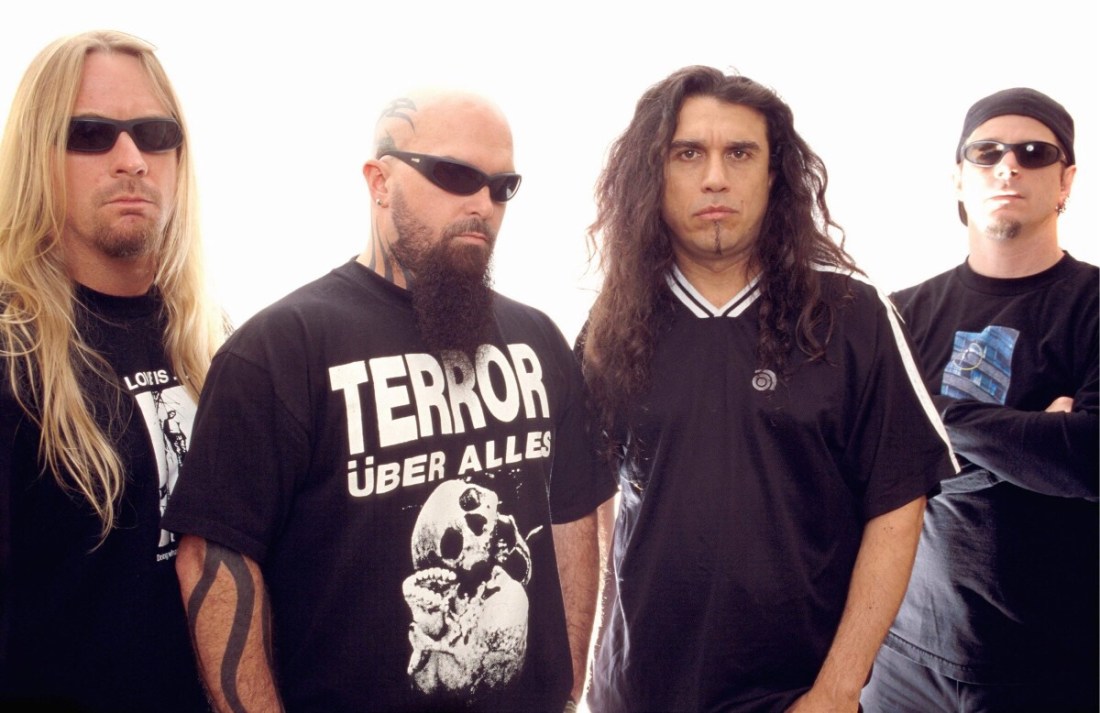
Image result for famous musicians before and after drug addiction
Amy Whinehouse, after alcohol recovery and relapsing after 6 months sober

The Teenage “Golden age” of My Music Taste

I used to believe that all pop music was processed, meaningless, and presented no real musicality. Although it was a very immature opinion felt by my 14 year old self, I felt it strongly and everyone who shared that opinion were the only people who I could give any credibility too.

I was so caught up in what I genuinely believed to be the “best” most “technically proficient” music I could find. But when I started doing some research into the algorithms of teenage music taste, I found that around 14 was the “golden age” of music’s influence on your activation of dopamine receptors. I guess there was a pretty clear explanation as to why I was so emotionally attached to such a narrow genre and selection.

I started to understand that I was really the only thing holding myself back from experimenting with my musical interests and finding some more influences. I began leaving my comfort zone and taking my predisposed bias out of the equation when listening to new music.

I really strived to learn music theory, there was countless content creators that examined some of my favorite songs from a purely musical standpoint. These Youtubers helped me to keep my mind open, to listen as a musician.

So now I share my open mindedness with all the musicians I have had the pleasure of knowing. From friends online who I share music with; even my own friends who don’t possess the same affection for music, but enjoy variety. I learned that music is about open mindedness and respecting all music as an art form. It’s not worth pretending to hate something you never even listen to, giving all music a chance really gives you the opportunity to soak in some influences that only help you to express your artistic ability.

Emergence of Desktop Modeling Amplifiers

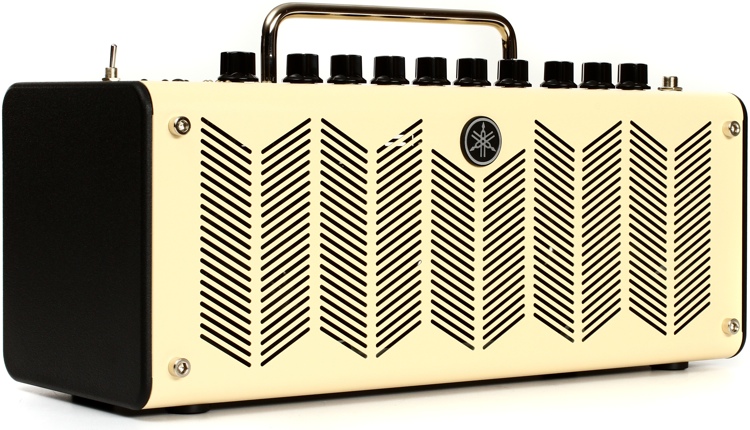
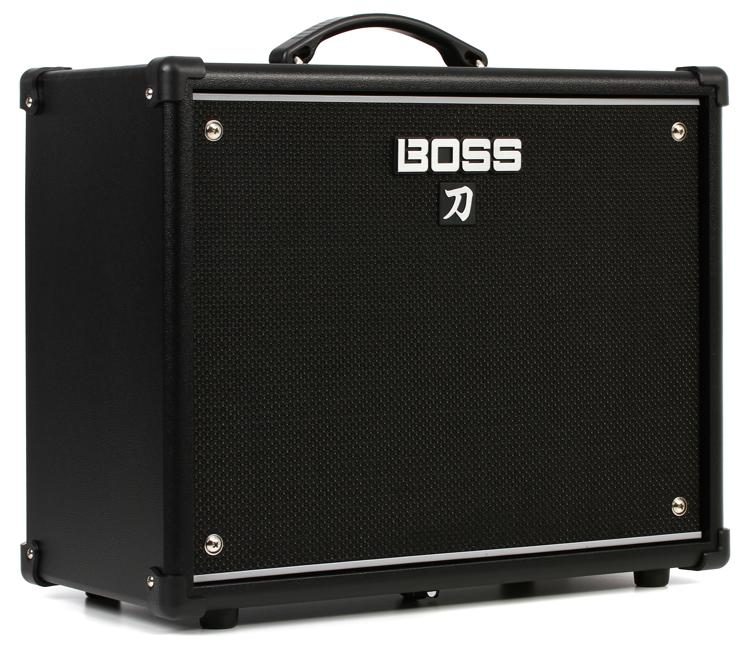
With the increasing demand of low wattage, bedroom level appropriate amplifiers, the emergence of amp lines such as Boss’ Katana and Yamaha THR line. These amplifiers provide a wide range of tonality without the blaring volume required by regular tube amps or high wattage solid states.

As shown below, both of these amplifiers come packed with USB compatibility to allow for editing software that unlocks cab sims and various effects (i.e. rack-style compression, phaser, chorus, analog delay, and fender style spring reverb). Both the Boss and THR amp lines come with extremely accurate built in chromatic tuners and tap time visual metronome.

These amps come at an affordable price with the THR lines varying around the $199-$399 price range, making them optimal for beginner players who may have a limited budget, or even intermediate or advanced players looking for a fun, affordable amp with practice volume potential.

Image result for THR 10
Yamaha THR10
Image result for boss katana
Boss Katana 20